
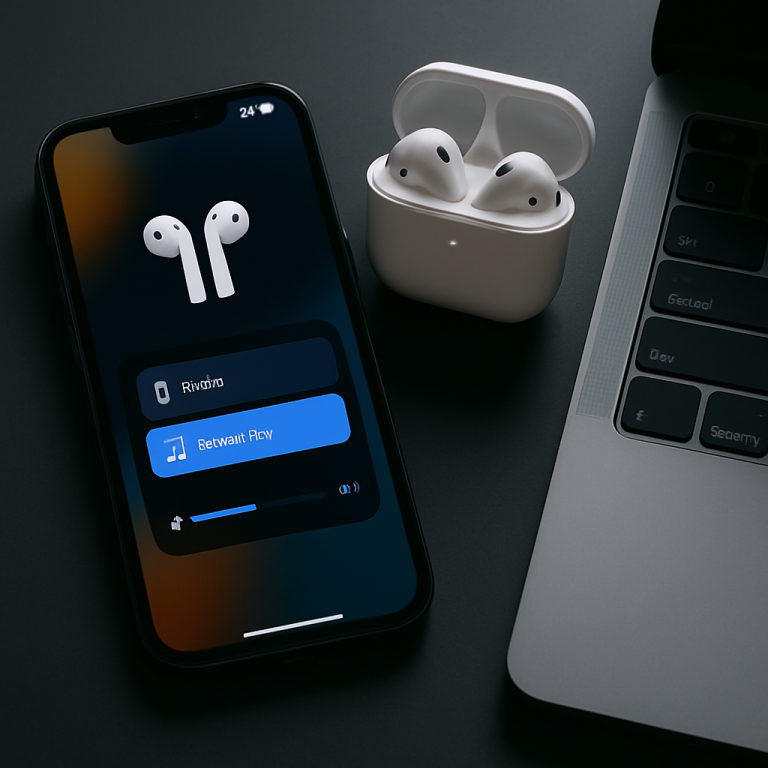
References uncovered in the iOS 27 beta code suggest Apple is testing a significant audio processing upgrade for AirPods. Early leaks indicate the update could offload noise cancellation and Transparency mode tasks directly onto the earbuds, while even allowing basic Siri queries to run offline. For iPhone and MacBook users who have long relied on seamless Bluetooth audio, this rumor has already prompted a fresh look at everyday listening habits—turning a simple control-center glance into a moment of anticipation about what comes next in Apple’s audio ecosystem.
During her morning commute, Natalie slips on her AirPods Pro and checks battery percentages on her iPhone lock screen. As the train noise dims, she switches to Transparency mode and notices a subtle shift in how ambient sounds are balanced—voices from the carriages seem clearer, background rumble more restrained. She reaches into her jacket pocket for her iPhone 15, taps the volume slider and pauses, noting that these tweaks feel more immediate than before. This small interaction already hints at how iOS 27’s rumored audio enhancements could recalibrate familiar routines.
In beta forums, developers note that handoff between iPhone and MacBook with spatial audio may receive a boost. One example shows a developer moving from a FaceTime call on iPad to a MacBook Pro while the AirPods automatically adjust equalization settings based on device type. This tighter integration leverages Universal Control workflows, making device switching more fluid but also raising expectations for consistent audio quality across Apple hardware.
Still, some beta testers report minor stutters when toggling between active noise cancellation and Transparency mode, especially on older AirPods models. A user on Reddit described a brief audio drop when moving out of range of an iPhone, suggesting the on-device processing demands could strain wireless protocols. These hiccups underscore the balance Apple must strike between richer audio features and reliable connectivity.
As rumors swirl, many users are already rearranging their Control Center panels to prioritize the new AirPods audio icon, lifting their thumb to tap and hold the headphone tile more often. In beta chat threads, it’s clear that subtle UX changes can quickly reshape habits—double-tapping the case lid, adjusting ear seal notifications, even customized Find My alerts—all part of an evolving set of gestures around Apple’s wireless headphones.
This potential shift highlights a broader industry trend: smart wearables that leverage local AI rather than streaming everything to the cloud. By embedding audio processing directly on the earbuds, Apple joins rival makers in exploring on-device intelligence, signaling that future software updates may matter as much as hardware revisions when it comes to wearable innovation.
Whether these audio upgrades make it into the public iOS 27 release remains uncertain, but the focus on incremental enhancement underscores Apple’s strategy of refining the ecosystem through software. For everyday listeners, the beta’s whispers of smarter AirPods serve as a reminder that the next breakthrough may come not from a new AirPods model, but from lines of code quietly running in the background.
FAQs
What audio upgrades are rumored in iOS 27 for AirPods?
Early leaks suggest on-device noise cancellation and Transparency mode processing, plus limited offline Siri support directly through AirPods.
Will older AirPods models gain these features?
References in beta code don’t specify model restrictions, but processing demands may limit some enhancements to newer AirPods Pro and Max variants.
Could these changes impact battery life?
By shifting audio tasks onto the earbuds’ chip, battery drain could increase, especially during prolonged noise-cancellation use in current betas.
How might this update affect cross-device audio handoff?
Leaked code hints at tighter integration with iPhone, iPad and MacBook, adjusting equalization automatically when switching devices.
VERDICT
As iOS 27’s beta unveils potential on-device audio processing for AirPods, Apple seems intent on enhancing its wearable ecosystem through software tweaks. While early reports point to clearer Transparency mode and limited offline Siri commands, real-world testing has surfaced minor stutters and battery concerns. These refinements reflect a shift toward embedding intelligence in peripherals, echoing broader industry trends. Ultimately, the impact will hinge on Apple’s final tuning—whether users notice incremental quality gains without sacrificing the reliable connectivity they rely on daily.
"Note:We may receive a affiliate commission when you purchase products mentioned on our website."