
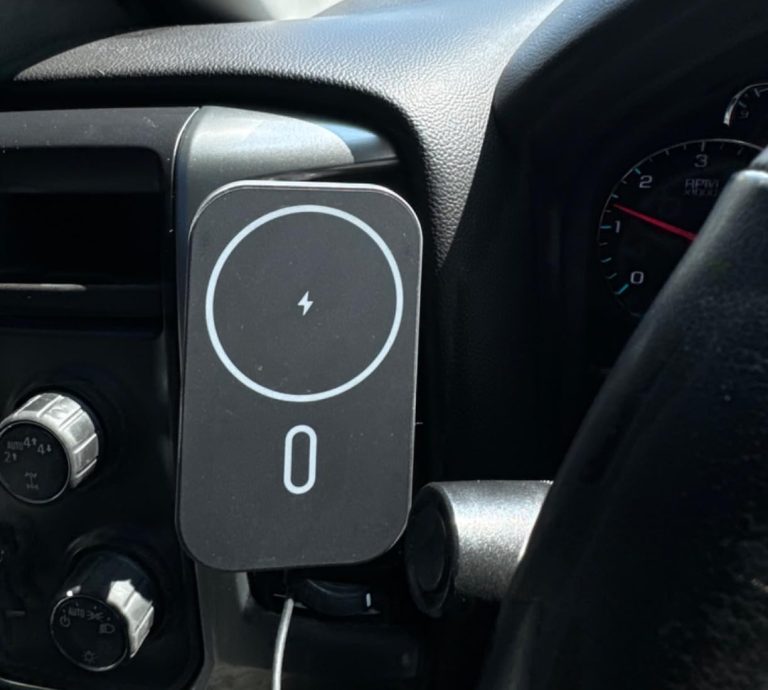
The dashboard real estate of American vehicles has become increasingly contested territory. Navigation displays, climate controls, and infotainment systems compete for driver attention, while smartphones—particularly iPhones running CarPlay—have established themselves as essential components of the driving experience. Yet the way these devices connect to vehicles has remained oddly unchanged for years, with most drivers still fumbling with cable connections or balancing phones in cup holders. A quiet evolution is now underway among iPhone users who have grown frustrated with this arrangement, driven by Apple’s MagSafe technology finally finding practical application beyond bedside charging.
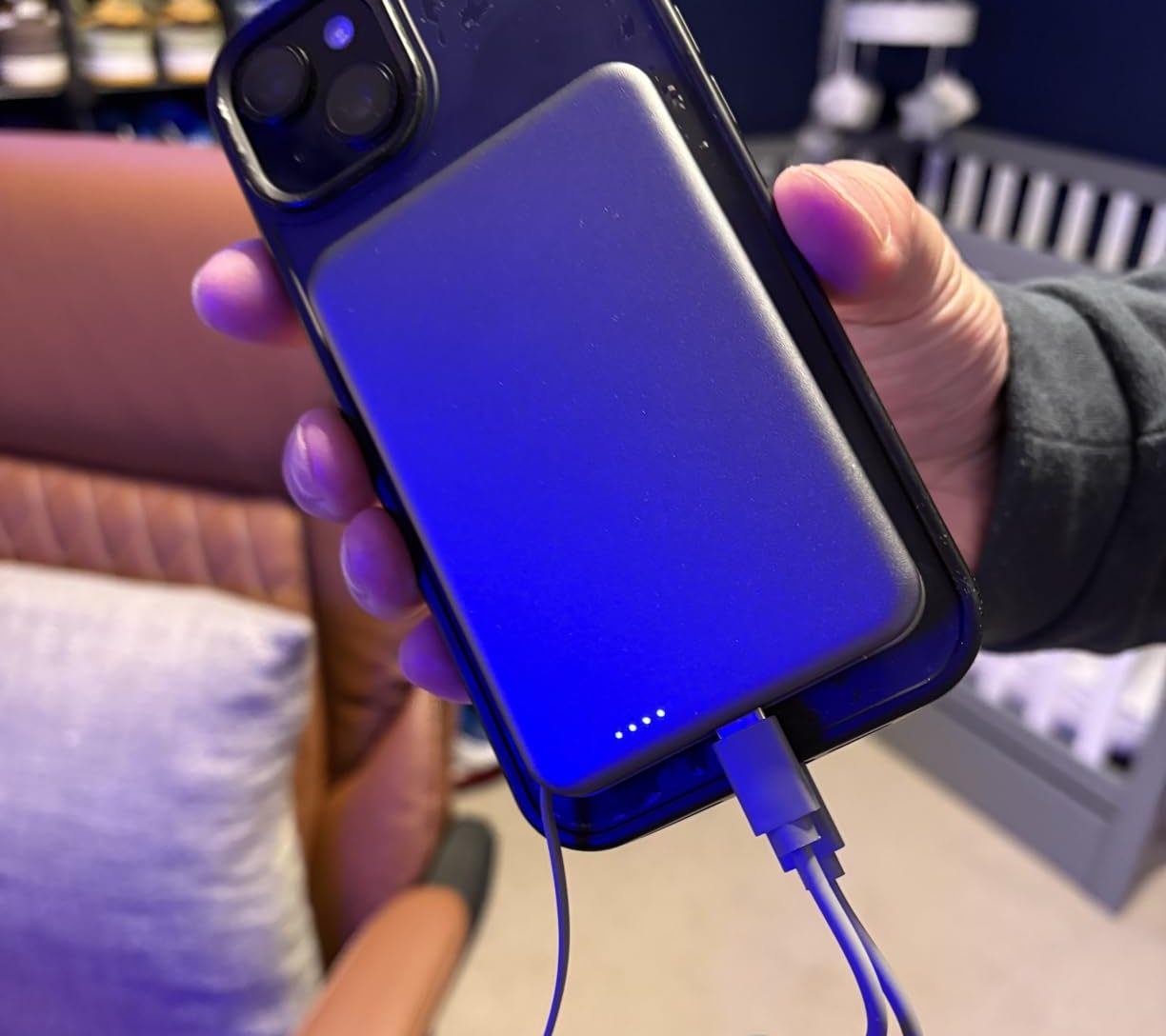
The shift centers on magnetic wireless charging integrated directly into air vent mounts. Unlike traditional car mounts that rely on adjustable clamps or adhesive suction cups, MagSafe-compatible mounts use the ring of magnets embedded in iPhone 12 and newer models to create instant attachment. The distinction matters most during the transitional moments of driving—starting the car, arriving at a destination, or quickly checking navigation before pulling into traffic. Where older mounting systems required two-handed operation to secure a device, magnetic mounts allow drivers to simply hold their iPhone near the mount and feel it snap into place, a interaction that takes roughly two seconds rather than ten.
For commuters who make this connection twice daily, the time savings accumulate into something more meaningful than mere convenience. Morning departure routines already involve juggling coffee, bags, and keys while reversing out of driveways. Eliminating the need to precisely align an iPhone into a spring-loaded clamp removes one small cognitive task from a sequence of tasks that, when rushed, often results in forgotten items or close calls with garage doors. The magnetic attachment becomes automatic in the same way that fastening a seatbelt has—an action performed without conscious thought while the brain focuses on checking mirrors and planning routes.

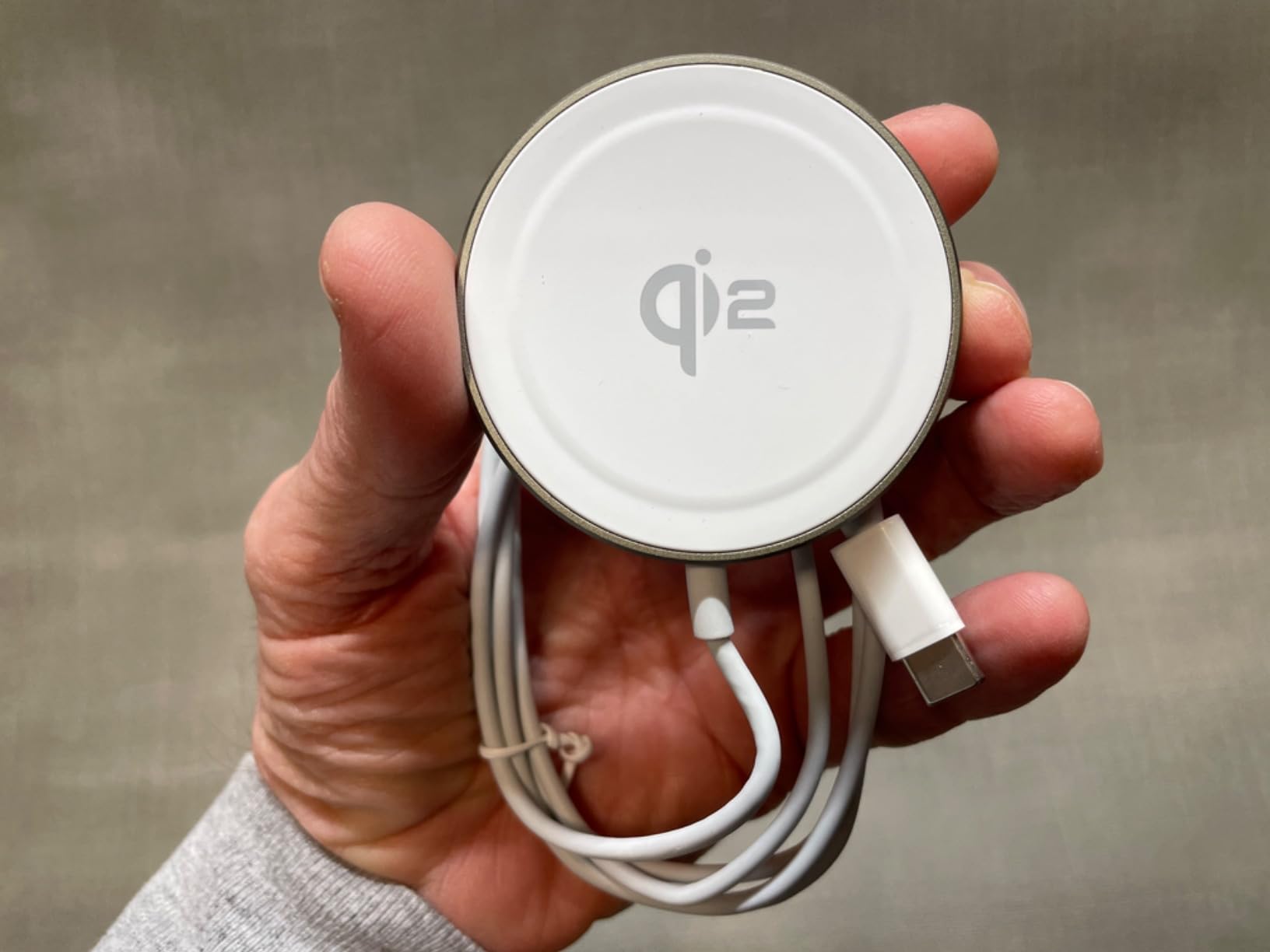
The wireless charging component addresses a separate irritation that cable-dependent systems create. Traditional car chargers require plugging in a Lightning or USB-C cable each time the phone mounts, which means the cable end must be accessible and untangled. Over months of use, these cables fray near the connector from repeated bending, particularly in vehicles where the charging port sits at an awkward angle relative to the mount. Wireless charging eliminates this wear point entirely, and also removes the brief moment of uncertainty about whether the cable has properly seated—a common source of frustration when drivers arrive at destinations only to discover their iPhone never actually charged.
The three-hundred-sixty-degree rotation feature reflects an understanding of how different drivers use their iPhones in vehicles. Some prefer portrait orientation for navigation apps that display upcoming turns vertically, while others rotate to landscape for easier viewing of CarPlay’s interface or for passengers watching video content during longer trips. Air vent mounting positions the screen closer to eye level than dashboard mounts, reducing the angle of downward glance required to check directions—a safety consideration that becomes more significant during highway driving where split-second awareness of surrounding traffic matters considerably.
What’s less obvious is how this setup changes the relationship between iPhone and vehicle. When charging requires cable connection, there’s a subtle psychological barrier to quick trips—drivers making a five-minute run to the grocery store often skip the mounting and charging process entirely, accepting that their phone will remain in a pocket or cupholder. Magnetic wireless mounts lower that friction enough that users begin mounting their devices even for short drives, which means CarPlay remains active and navigation stays visible. This has downstream effects on behavior: drivers become more willing to route through traffic alternatives suggested by Maps, or to add spontaneous stops without the mental accounting of whether it’s worth re-mounting the device.
The adapter compatibility requirement deserves mention, as not all iPhone cases support MagSafe magnets. Users with non-MagSafe cases must either replace them or attach thin magnetic rings to their existing cases, adding a minor setup step but preserving case preferences around drop protection or aesthetic design. For those already within the MagSafe ecosystem—using Apple’s official cases or third-party MagSafe-compatible options—the car mount becomes another node in a charging network that extends from bedside to desk to vehicle, creating consistency in how the device attaches across different contexts throughout the day.
Previously listed at $28, the current listing shows $19.99 at the time of publishing. View current listing. Price at time of publishing. Subject to change.
"Note:We may receive a affiliate commission when you purchase products mentioned on our website."