
The way people physically interact with their iPhones throughout the day has shifted in subtle but measurable ways. A decade ago, smartphones were held constantly—during meals, commutes, and idle moments at desks. Today, a different pattern has emerged among iPhone users who spend significant portions of their day at stationary locations: the device increasingly rests propped at an angle rather than flat on surfaces or gripped in hand. This change reflects both the expansion of video-centric content consumption and the gradual recognition that holding a device for extended periods creates physical strain that accumulates over time.
The proliferation of cases with integrated kickstands speaks to this behavioral evolution. Unlike standalone stands that require carrying an additional accessory, built-in mechanisms allow users to prop their iPhone at viewing angles wherever they happen to be—kitchen counters during recipeFollowAlongs, office desks during video calls, or airport gates during flight delays. The convenience centers on elimination of setup friction. When watching a YouTube tutorial or participating in a FaceTime call requires retrieving a separate stand from a bag, many users simply hold their phone instead, accepting the arm fatigue as the path of least resistance. Kickstands embedded in the case itself remove that calculation entirely.
For remote workers who rely on iPhone as a secondary display during work-from-home hours, the stand functionality has become particularly relevant. Video conferencing fatigue drove many to seek alternatives to laptop-only calls, and propping an iPhone on a desk creates a dedicated camera angle that feels more natural than the downward-facing perspective of MacBook webcams. The kickstand allows positioning the device at eye level when stacked on books or monitor stands, improving the appearance of engagement during calls—a consideration that matters more in professional contexts where visual presence affects perception of attentiveness.

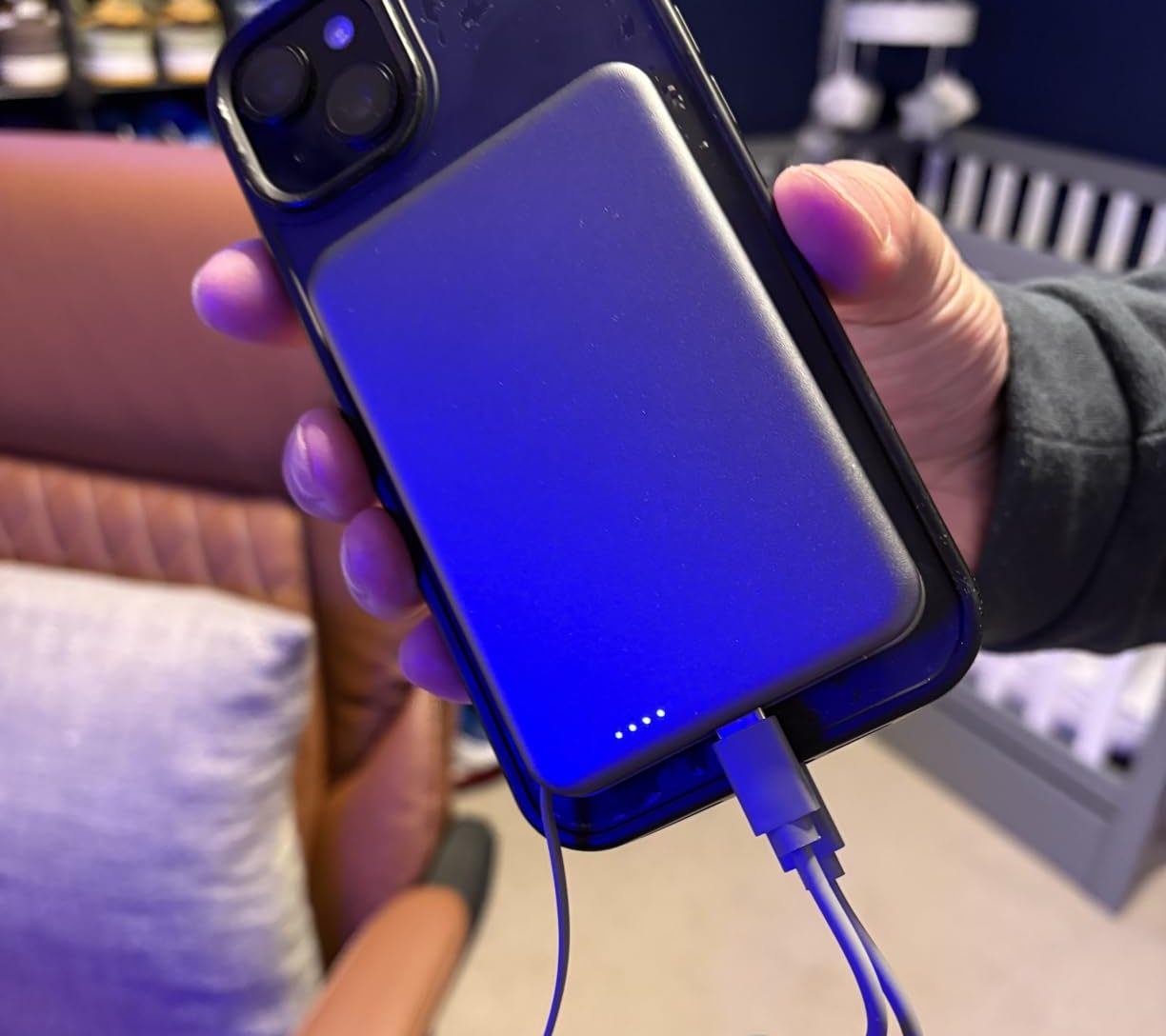
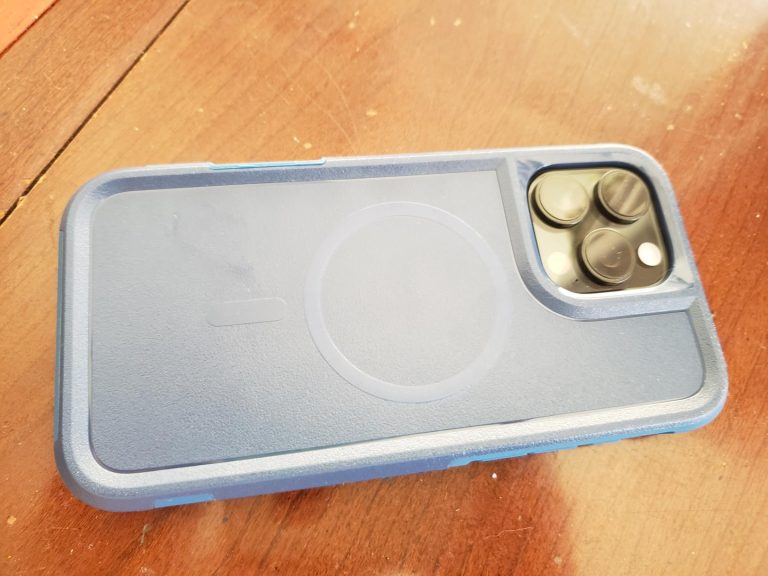
The MagSafe compatibility layer adds another dimension. As Apple’s magnetic charging and accessory ecosystem has matured, users have accumulated MagSafe chargers, wallet attachments, and car mounts that expect unobstructed access to the magnetic ring. Cases that incorporate kickstands while preserving MagSafe functionality solve a design tension that earlier iterations struggled with—the mechanical components of a stand don’t interfere with the magnetic alignment required for charging or accessory attachment. This means users no longer face choosing between protective cases with stands and cases that support their existing MagSafe accessories.
Military-grade drop protection specifications, while often marketing language, reflect genuine concern among iPhone Pro users about device longevity. The Pro models carry premium pricing that pushes many buyers toward extended ownership cycles—three to four years rather than annual upgrades. At those timescales, the cumulative risk of drops becomes nearly inevitable, and the cost of screen repairs or replacement devices justifies more aggressive protection than users might have accepted when phones were replaced more frequently. Cases that combine impact resistance with functional features like kickstands allow users to maintain protection without sacrificing utility.
The slim profile consideration matters more than it might appear. Early kickstand cases added significant bulk, transforming sleek devices into noticeably thicker rectangles that no longer fit comfortably in jeans pockets or jacket linings. Modern iterations have compressed the mechanical components to millimeter-scale thickness, using engineering refinements that allow the stand to fold nearly flush with the case back. For users who carry their iPhone throughout the day, this represents the difference between a case they tolerate and one they forget they’re using—a psychological threshold that determines whether protective cases actually get adopted long-term.
The matte finish preference among iPhone Pro users reflects a quiet rebellion against the glossy surfaces that have dominated smartphone design. Fingerprints accumulate visibly on polished cases within minutes of handling, creating a constant awareness of device uncleanliness that feels at odds with Apple’s premium positioning. Matte textures mask this accumulation while providing tactile grip that reduces drop likelihood—a practical benefit that combines with aesthetic preference to drive adoption among users who handle their devices hundreds of times daily.
Previously listed at $27, the current listing shows $19.99 at the time of publishing. View current listing. Price at time of publishing. Subject to change.
"Note:We may receive a affiliate commission when you purchase products mentioned on our website."