
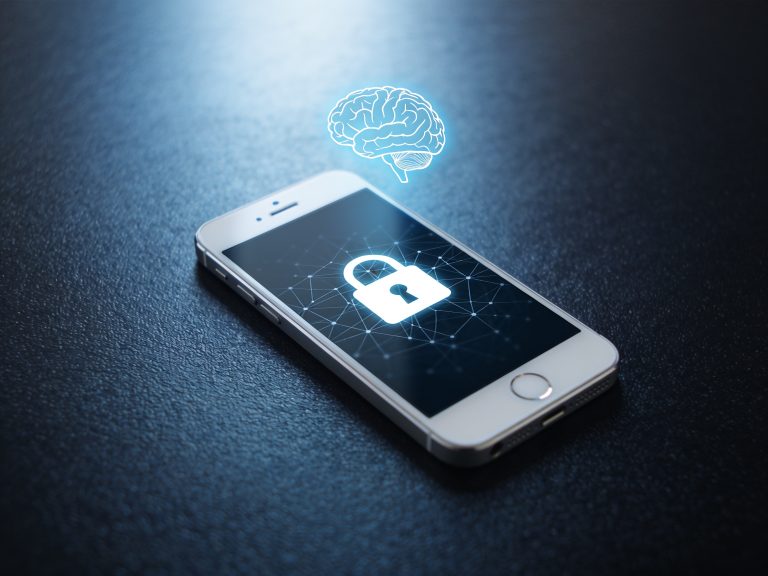
iOS 27’s latest beta introduces an AI-driven feature in iCloud Keychain that automatically detects and replaces weak or reused passwords on iPhone and iPad, aiming to simplify password security management at the source.
When enabled under Settings > Passwords, the new tool scans saved credentials in Keychain, flags entries that fall below Apple’s strength threshold or appear in known breach lists, and offers to generate and autofill stronger replacements across apps and Safari. Generation and replacement occur on-device, leveraging the Apple Neural Engine without exposing raw password data externally.
Weak and duplicated passwords remain a leading cause of account compromises. By automating the process, Apple reduces friction for users who might otherwise ignore security warnings or struggle to craft unique credentials. This AI-assisted approach builds on password monitoring introduced in iOS 16, evolving from passive alerts to proactive remediation.

All devices running iOS 27 or iPadOS 17 signed into the same iCloud account will receive the updated Keychain functionality. macOS Sequoia betas also reference similar APIs, suggesting the feature will extend to Mac. Existing users need only update to the latest beta and toggle on “Auto-Improve Passwords” within Password settings.
Privacy considerations remain central: Apple’s implementation applies homomorphic matching against breach databases and employs differential privacy for analytics, ensuring individual passwords never leave the device in clear text. Security teams and privacy advocates will appreciate the balance of advanced tooling with Apple’s on-device processing ethos.
Developers and enterprise IT administrators should note new Keychain API endpoints for password improvement, enabling third-party apps to integrate seamless credential upgrades. Organizations managing device fleets can preconfigure auto-improvement policies via Mobile Device Management (MDM) to enforce stronger passwords without manual intervention.
Looking ahead, Apple may enhance the feature with Siri-driven commands or expand it to include passkey-to-2FA conversions. Official rollout is expected alongside the public release of iOS 27 later this year, with refined user-controls and deeper integration into Apple Intelligence.
"Note:We may receive a affiliate commission when you purchase products mentioned on our website."