
Apple EarPods with USB-C: A Familiar Sound in a New Connection
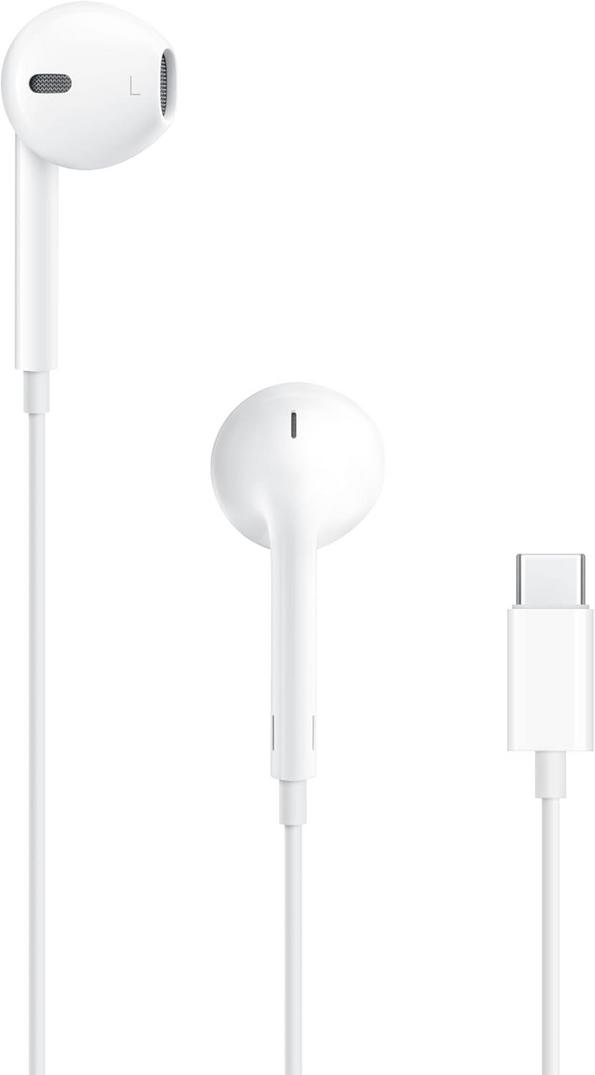
The evolution of device ports brings a familiar accessory into a new era. Apple EarPods, a staple for many, are now available with a USB-C connector, adapting to the industry’s shift. This update offers a straightforward way for users to enjoy wired audio on their latest Apple devices and beyond.
The USB-C Transition for Wired Audio
Apple’s gradual adoption of USB-C across its product lines, including iPhones and iPads, necessitates corresponding accessories. The introduction of EarPods with a USB-C plug directly addresses this need, providing a seamless audio solution for devices that no longer feature the Lightning port.
This change aligns with broader industry trends, as USB-C becomes the universal standard for charging and data transfer. For users migrating to newer Apple hardware, this means their trusted wired headphones can continue to be a primary audio source without requiring adapters.
The design remains consistent with previous iterations of EarPods, prioritizing comfort and a secure fit for extended listening sessions. The in-line remote control also continues to offer convenient access to volume adjustments, music playback, and call management.
This development highlights Apple’s commitment to maintaining backward compatibility and offering practical solutions for its user base. The straightforward functionality of wired headphones ensures a reliable audio experience, free from concerns about battery life or Bluetooth pairing.
Sound Quality and User Experience
Apple EarPods are recognized for delivering a balanced audio profile suitable for everyday listening. Their design aims to channel sound directly into the ear canal, offering a clear and consistent audio output across various types of content, from music and podcasts to calls.
The integrated microphone ensures that voice calls are captured clearly, and the built-in controls allow for quick interaction with active media or incoming calls. This combination of audio playback and communication functionality makes them a versatile accessory for daily use.
For users who prefer the simplicity and immediate connectivity of wired headphones, these USB-C EarPods offer an uncompromised experience. The absence of wireless dependencies means instant audio access the moment they are plugged in.
Frequently Asked Questions
What is the primary benefit of USB-C EarPods?
The primary benefit is compatibility with Apple devices that feature a USB-C port, eliminating the need for adapters.
Do these EarPods offer active noise cancellation?
No, these EarPods do not feature active noise cancellation. They are designed for standard audio playback and communication.
Are the Apple EarPods with USB-C compatible with non-Apple devices?
Yes, as long as the non-Apple device has a USB-C audio port, the EarPods should function for audio playback.
What are the controls on the in-line remote?
The in-line remote typically includes buttons for volume adjustment, play/pause, skipping tracks, and answering or ending calls.
Conclusion
The introduction of Apple EarPods with a USB-C plug represents a natural progression, adapting a familiar audio accessory to current device standards. This offering ensures continued access to reliable, wired sound for a wide range of Apple users navigating the USB-C ecosystem.
"Note:We may receive a affiliate commission when you purchase products mentioned on our website."