
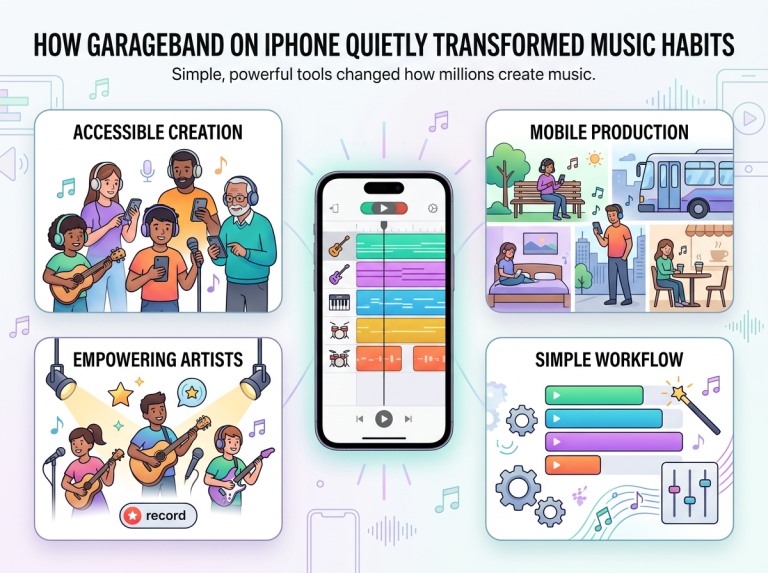
As GarageBand slips into pockets and backpacks, iPhone and iPad users adapt their creative setups—from cable tangles to screen placements—revealing how mobile music apps reshape workflows.
I found myself leaning over my iPad to adjust virtual knobs, learning to carve out a stable grip before each record.
Each dawn brings a familiar hesitation before tapping the GarageBand icon on an iPhone. The compact screen demands a moment of spatial negotiation: finger placement, headphone jack orientation and the slight tilt needed to see the levels meter. What began as playful experimentation has evolved into a precise morning ritual, where the phone must rest just so against a coffee cup or notebook to avoid a shaky recording.

Later, synchronizing a project between iPhone and iPad via iCloud introduces another pause. A thin progress bar under the GarageBand title hums along, nudging users to wait instead of immediately riffing on a melody. These brief delays have taught creators to rethink when and where to sketch ideas, shifting recording sessions to moments when stable connectivity and device placement align.
In a dimly lit bedroom, the search for a Lightning-to-audio adapter becomes its own movement. Fingers grope for the small L-shaped dongle beside a bedside lamp, testing each port until the red signal light on the interface glows. That low-light connector hunt has turned into a nightly checkpoint before any late-hour chord progression, quietly marking the boundary between daily chores and creative hours.
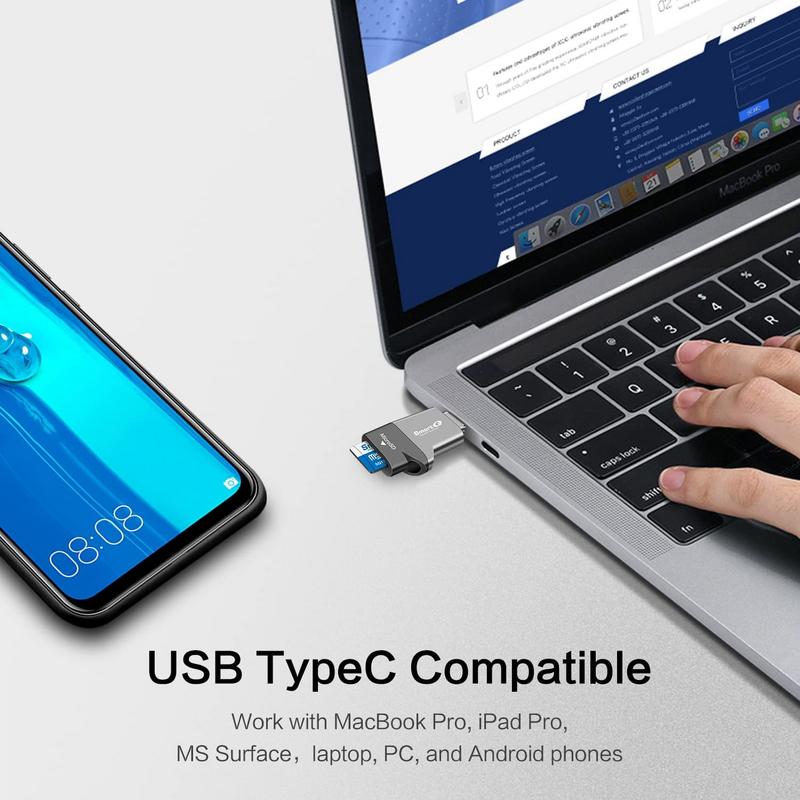
On a cluttered desk, an iPad Pro rests on a magnetic stand, its base surrounded by cables: USB-C power, MIDI interfaces and a braided headphone lead. Over time, users shift these peripherals into patterned layouts, dedicating a corner for audio work. The act of clearing space for the tablet and arranging cables becomes part of a pre-session routine, an invisible choreography linking hardware positions to creative focus.
Packing a session for a weekend away involves calculating every accessory: earbuds in one pocket, a coiled Lightning cable in another, plus a USB-C power brick. The extra weight and tangle risk have prompted some to swap bulkier gear for simpler setups, opting for a single-cable arrangement that bridges iPhone to interface. These packing habits underscore a broader negotiation between portability and technical demands.
Pulling out an iPhone in a café to layer guitar riffs adds another layer of adaptation. Ambient chatter and espresso machines compete with the phone’s internal mic, so users employ noise-isolating earbuds or redirect input through a compact interface. Each adjustment to mitigate background sound is a learned response, refining setups to suit unpredictable environments.
Beneath these adaptations lies a subtle shift: mobile music-making has moved from novelty to routine. Session auto-saves prompt small breaks—pausing to sip coffee or reply to messages—before diving back into editing. These micro-pauses, guided by on-screen reminders, punctuate the creative flow, embedding production habits into daily life.
FAQs:
Which iOS versions support GarageBand on iPhone and iPad?
GarageBand requires iOS 13 or later on iPhone and iPadOS 13 or later on iPad, available through the App Store under standard system requirements.
Can GarageBand projects sync across iCloud between iPhone and MacBook?
When enabled in iCloud Drive settings, GarageBand projects stored in iCloud appear on iPhone, iPad and MacBook within compatible versions of the app.
Does charging via USB-C affect performance during a GarageBand session?
Powering an iPad or iPhone through USB-C provides stable energy for longer sessions without impacting audio processing or recording performance.
How do MagSafe accessories influence a mobile music setup?
MagSafe chargers and stands offer hands-free alignment for iPhone, helping maintain steady positions during recording without extra cable management.
Verdict
Over weeks of hosting virtual drums and guitar tracks in pockets, iPhone and iPad users have subtly reconfigured their environments—bedside adapters, desk stands and minimal travel rigs all point to a deeper adaptation. GarageBand has ushered mobile devices into the studio routine, weaving creative checks into coffee sips, commutes and midnight compositions. These shifts underscore how tiny frictions and quiet solutions shape the evolving relationship between musicians and their pocketable studios.
"Note:We may receive a affiliate commission when you purchase products mentioned on our website."