
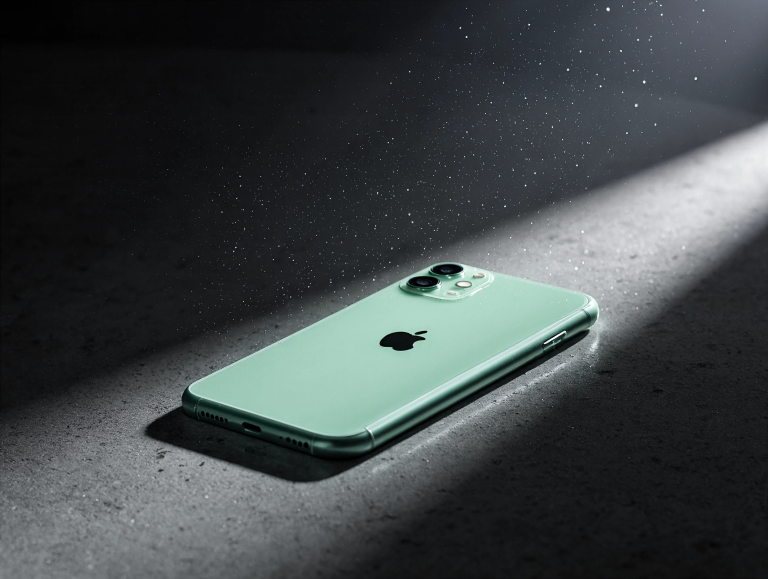
Apple could be preparing to end software support for the iPhone 11 series with its next major iOS update, according to recent reports and industry speculation. If the rumors prove accurate, the iPhone 11, iPhone 11 Pro, and iPhone 11 Pro Max would no longer receive the newest iOS features after enjoying several years of major operating system upgrades. While Apple has not officially confirmed the change, it would follow the company’s long-standing approach of retiring older hardware as new technologies demand more powerful processors.
iPhone 11 Has Received Years of Updates
Released in September 2019 with the A13 Bionic chip, the iPhone 11 lineup has been one of Apple’s longest-supported smartphone families.
Over the years, these devices have received multiple major iOS releases, bringing new features, security improvements, and performance enhancements. Even after Apple introduced Apple Intelligence on newer devices, the iPhone 11 continued receiving core iOS updates, although some advanced AI-powered features remained unavailable because of hardware limitations.

Why Apple Might Drop Support
Apple typically ends support for older iPhones when their hardware can no longer provide a consistent experience with the latest software.
Modern versions of iOS include increasingly demanding features such as advanced on-device machine learning, enhanced graphics, improved privacy protections, and more sophisticated multitasking capabilities. As the operating system evolves, maintaining compatibility with older processors becomes more challenging.
The A13 Bionic chip remains capable for everyday tasks, but newer Apple chips offer significantly better performance, graphics processing, and AI acceleration. Ending support for the iPhone 11 would allow Apple to focus future development on more recent hardware.
What Happens If Support Ends?
If Apple removes the iPhone 11 series from the compatibility list for the next major iOS release, users will not be able to install the newest version of iOS.
However, that doesn’t mean the phones immediately become obsolete. Apple has historically continued providing important security updates for older devices for some time after major OS support ends. Existing apps will also continue working, although newer app features may eventually require a more recent version of iOS.
For most users, the iPhone 11 would remain functional for calling, messaging, browsing, photography, and everyday apps.
Will Security Updates Continue?
Apple frequently extends security support beyond the final major iOS release for older devices. Previous iPhone models that lost eligibility for new operating system versions continued receiving critical security patches to protect users from newly discovered vulnerabilities.
Although Apple hasn’t announced its plans for the iPhone 11, many analysts expect security updates to continue for a period even if the device no longer receives future feature updates.
Should You Upgrade?
There’s no urgent need to replace an iPhone 11 if it continues to meet your needs.
However, users interested in the latest AI-powered capabilities, camera improvements, battery efficiency, and future iOS features may benefit from upgrading to a newer iPhone. Recent models include faster processors, brighter displays, improved cameras, USB-C connectivity, and access to Apple Intelligence features that require more advanced hardware.
If software longevity is a priority, purchasing a newer model also provides several additional years of operating system support.
Current Status
At this stage, reports that the iPhone 11 will lose support remain rumors rather than confirmed information. Apple traditionally announces compatibility details during its annual Worldwide Developers Conference (WWDC) or when previewing the next major version of iOS.
Until Apple publishes an official list of supported devices, iPhone 11 owners should treat these reports as speculation rather than a final decision.
Final Thoughts
The iPhone 11 has enjoyed an impressive software lifespan since its launch in 2019, receiving years of new features and security improvements. If Apple decides to end major iOS support in its next release, it would mark the natural end of one of the company’s longest-supported smartphone generations.
Even if that happens, iPhone 11 users are unlikely to lose functionality overnight. The devices should continue to receive security updates for a time and remain reliable for everyday use. As always, the final decision will come from Apple, and users should wait for the company’s official compatibility announcement before making upgrade plans.
"Note:We may receive a affiliate commission when you purchase products mentioned on our website."